Suzuki Teaching – Sue Bennett
Part 2 – Why Train as a Suzuki Teacher?
I resisted Suzuki teaching for years: partly thinking it was only for violins, but also because of my own background. Suzuki was apparently only about playing by ear, and that was seen as cheating. There was a low level of prejudice around me that simply stopped me looking further and deciding for myself.
When I did find out more, I discovered the maxim “Every child can”. This fundamentally resonated with me, and suddenly it didn’t seem like the exclusive, privileged club that I’d envisaged before, so I investigated further. Suzuki teaching, it turned out, is a very welcoming, inclusive community, so I could observe as much teaching as I wanted in any Suzuki studio. I saw happy, confident students with their smiley parents playing their ever-increasing repertoire of music, from memory. Yes, they learnt to play by ear, but they also learnt to read music when they reached an age and stage when they could succeed at it. They played together – either the common repertoire in unison, or duets and trios they were also learning. I learnt very early on about the “one point lesson”. Take one facet of accuracy, technique or expression and work at it thoroughly in lesson so that the student and their parent are clear about how to work at it at home for the coming week – yes, I did say student AND parent. The Suzuki Triangle (student, parent and teacher) is fundamental.
So, I make it sound like a beautiful panacea, a community working together and sailing along on a calm sea of music-making. Of course, reality is different. Everyone who’s ever learnt anything knows it’s difficult and the temptation to give up can be strong. Parents often want instrumental lessons for their children because they’ve heard it’s great for developing resilience, or “grit”, then are disappointed when their child conversely ends up quitting the very activity that was supposed to teach them perseverance. Suzuki teaching addresses this from the start. Parent education stresses the need for the parent to commit and not give up; to communicate with the teacher about the challenges; and expect support from the teacher with practice strategies and teamwork.
Suzuki teacher training has been, and will continue to be, challenging and rewarding in equal measure. The pedagogy and philosophy are long-standing, rigorous and proven to be effective. Aside from that, though, you are part of a worldwide network that teachers, parents and students all thrive on. It’s a big melting pot of musical activity that I wish I’d been a part of sooner.
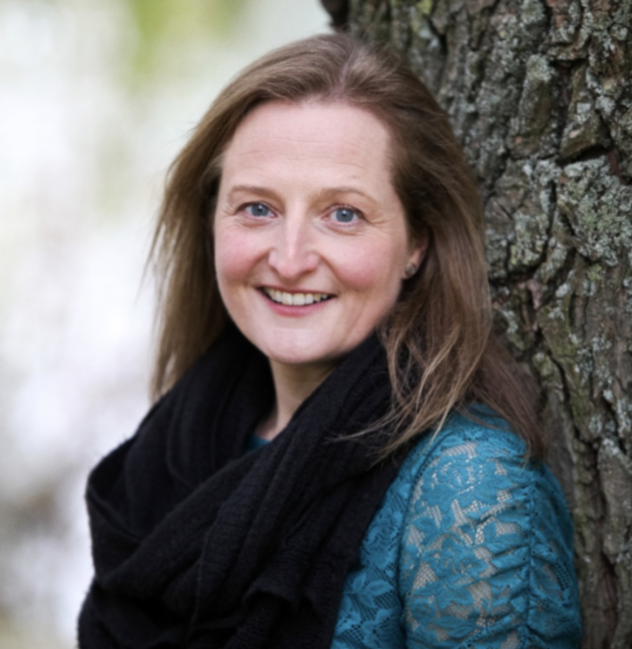
Sue Bennett has taught piano for 30 years and began Suzuki training nine years ago. She now runs The Piano Barn, a predominantly Suzuki teaching studio, on the outskirts of Sherwood Forest, where her greatest joy is getting people together and building a community of music makers.
Article written by Sue Bennett. This article was featured in Piano Professional.